Septic Tank Systems
Installations, & Repair
Whether you're installing a septic system in a new home, or replacing an existing septic tank, it is a costly and potentially stressful job. We want you to understand the process of installing a conventional gravity-powered septic system.
Installing a septic tank is not a task to undertake lightly. There are regulatory issues that must be addressed, you'll often have to get a permit from your local town, and there are plumbing and environmental issues to consider. You'll want to work closely with a company that can help you make the right choices for your budget.
Evaluating Your Site
We will begin by determining how large of a drainage field and septic tank you need. This decision will be influenced by an estimate of how much wastewater your house is likely to produce (generally based on the number of bedrooms), and by an analysis of the soil in your yard.
Installing the holding tank
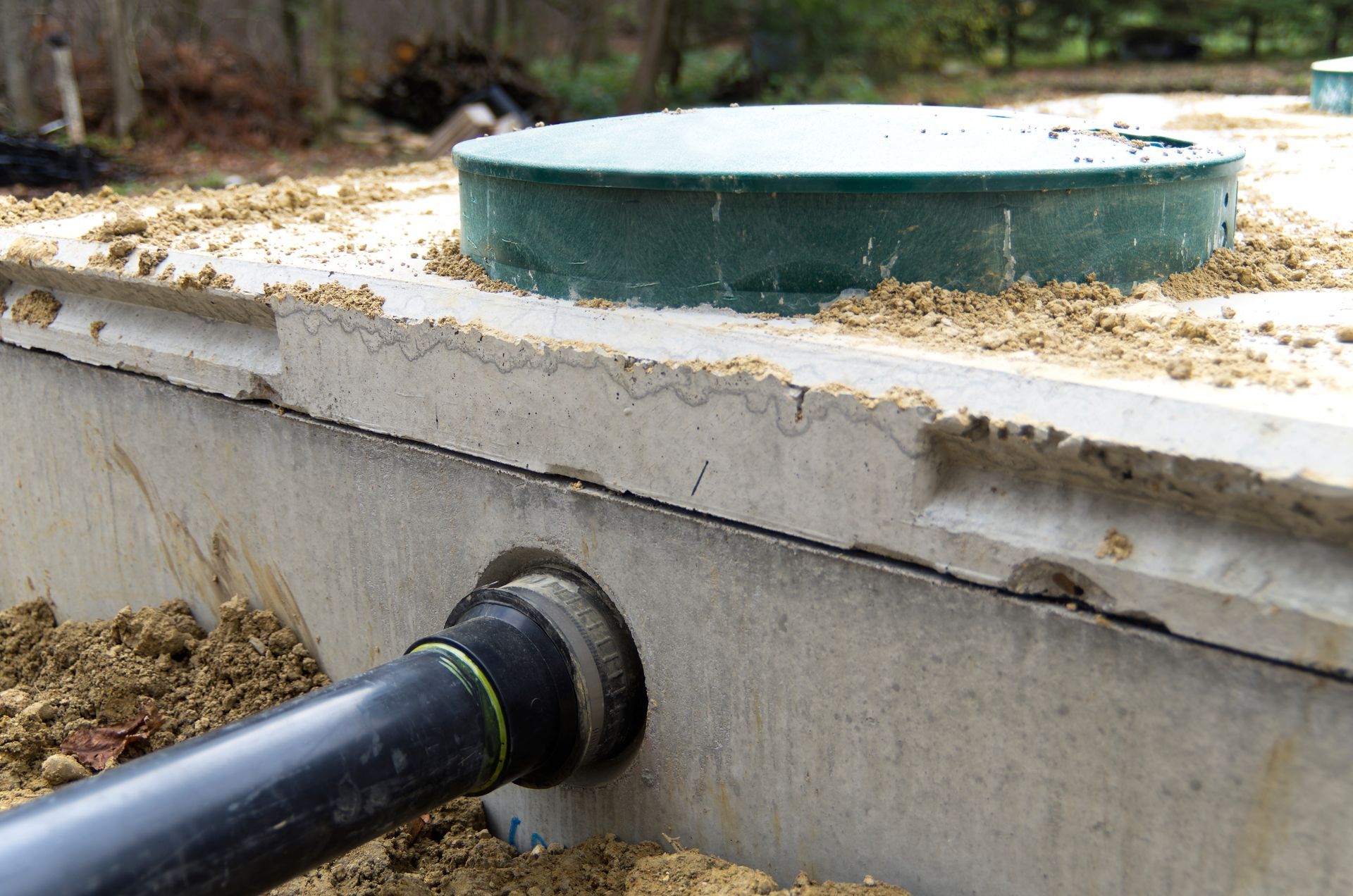
Before choosing the location to install your septic tank, we will need to check local regulations and the soil quality. Most municipalities require tanks and leaching fields to be located a minimum distances from houses, wells, streams, etc. The size of your septic system will depend as well on how many bedroom you house has (including any you plan to add down the road!) Since septic tanks are stored below ground, tank installation generally requires a backhoe to dig an adequate hole. Inlet and outlet pipes must also be planned for an laid during initial installation.
To ensure that you can find the opening to the septic tank easily, it is recommended that you use a manhole riser to bring the cover near the surface of the soil.
Installing the leaching field
The size of your leaching field depends on a number of factors, including the size of your septic tanks, the type and absorptive capactity of your soil, and the particular technology that you've chosen to absorb the wastewater. We can help you through this process.
The exact location of your leaching field within your yard will vary, based on a number of factors, including local regulations, the slope of your yard and your home's location on that slope, and the composition of the soil in different parts of the yard.
The best septic tank repair is prevention, but even the most well cared for system will fail at some point. Whether the damage is due to age or something unexpected, a septic repair must be assessed and carried out quickly, yet with expert precision, before more serious damage can occur. That’s why we respond fast when they we from our clients.
Common Septic Tank Repair Needs
Hands down, the most common septic tank repair issues come about because proper maintenance wasn’t carried out on a system. A typical residential system needs to be pumped every 3-5years, but it’s necessary to do it more often if the household has a lot of people or if the house has a garbage disposal. Commercial systems need to be pumped out every couple of months, as determined by your current schedule and the number of gallons pumped at your recent appointments. Failure to maintain a system can result in:
- Clogged lines
- An overflowing tank
- Sewage backups into your home
- Damage to the tank
- A clogged leach field/ drain field
Other Types of Septic System Repair
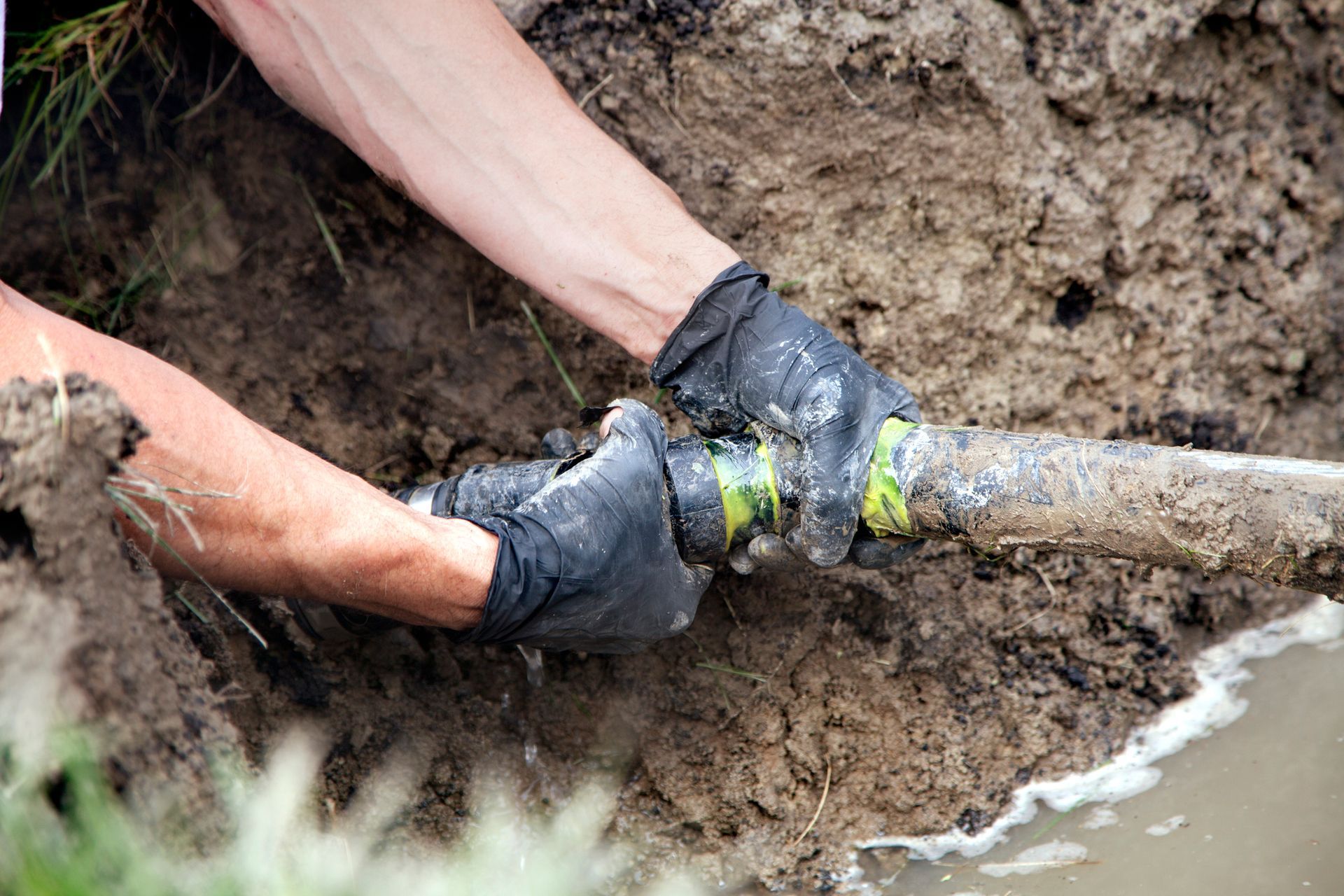
At the same time, age can make septic repair necessary as well. Residue can build up over time, which may result in a slow or sluggish leach field.. Invasive root systems, however, present an even more difficult challenge, as they invade pipes and tanks, requiring more extensive septic repair. Other types of septic system repair that you may face include:
- Replacing septic tank covers
- Repairing damaged lines
- Repairing cracks in the tank
Septic Tank Repair vs. New Septic System Installation
Septic systems are designed to last decades, and with proper care, can even serve generations. Of course, much of the longevity of a system also has to do with the type of material it is created from, as well as the surrounding soil and water. Oftentimes, we can make repairs that will allow a system to provide many more years of service, but if the repairs are extensive, it may be more cost-effective to perform a new septic system installation. If this is the case, we can give you the information you need to make an educated decision. If you choose to go with the new septic system installation, we can help with this as well.
Frequently Asked Questions
Do you install septic systems in Western North Carolina?
Yes. Gravely Hydroseeding & Excavating installs conventional gravity septic systems, pump systems, and mound systems for residential and commercial properties in Henderson County and surrounding Western North Carolina counties. We manage the excavation and installation from start to finish and coordinate with the local health department for permitting.
What are the signs that a septic system is failing?
Common signs of a failing septic system include slow-draining sinks, toilets, or showers; sewage odors inside or outside the home; wet, soggy, or unusually lush green patches of grass over the drain field; gurgling sounds from drains or toilets; and sewage backing up into the home. If you notice any of these signs, contact a septic professional promptly — delays can result in more extensive and costly repairs.
How do septic drain fields work, and what causes them to fail?
A septic drain field (also called a leach field) is a network of perforated pipes buried in gravel trenches that allow treated wastewater to slowly absorb into the surrounding soil. Drain fields fail most commonly due to biomat buildup — a layer of organic material that clogs the soil and prevents absorption — as well as root intrusion from nearby trees, soil compaction from vehicles driving over the field, or an undersized system for the property's usage. Once a drain field fails, excavation and replacement of the affected lines is typically required.
Do you repair septic drain fields and leach lines?
Yes. We excavate failed or damaged drain fields, replace collapsed or clogged leach lines, and restore proper function to conventional gravity and pump septic systems. We also expand or reroute lines when the original layout is undersized or improperly placed for the site conditions.
Can you install a septic system for a new home in Henderson County, NC?
Yes. For new construction in Henderson County, the process begins with a site evaluation and percolation (perc) test performed by a licensed soil scientist. Once approved by the Henderson County Health Department and a permit is issued, we excavate and install the system to meet NC state and county specifications. We coordinate with your soil scientist and building team to keep the project on schedule.
What is a perc test, and do I need one before installing a septic system?
A percolation test (perc test) measures how quickly water drains through the soil on your property. In North Carolina, a perc test and site evaluation performed by a licensed soil scientist is required before a septic permit can be issued for a new system. The test results determine what type of system your lot can support. Gravely Hydroseeding & Excavating can grade and prepare your test site to ensure the evaluation process goes smoothly.
Do you decommission old septic tanks when properties connect to municipal sewer?
Yes. When a property connects to a public sewer line, the existing septic tank must be properly decommissioned — typically pumped, crushed or filled, and buried — in accordance with NC regulations. We handle the excavation and decommissioning process and coordinate with your local health department to ensure all requirements are met.





